As you know, we sent out log ins for all parents and children to become part of our interactive, electronic record – Boomreader. Thank you so much for engaging with this new way of recording your child’s reading at home.
 Boomreader is a tool to help parents, carers and teachers work together to support the progress of each child’s reading at Nutley School. It is, therefore, very important that you record all reading, whether this is a book from home or a book from school. It is important that your child is reading the correct level of book for their individual reading ability.
At Nutley, we have a book bank system. Every book is given a band. The band is not just based on the number of words or type of words. It is also based on the content of the book. It is vital that children are reading the banded book they have been allocated. They will read this book at home regularly, as well as at school. This is to ensure the children make good progress with their reading skills. All other books that the children would like to read are known as ‘reading for pleasure’ books.
The focus for all parents, carers and teachers must be to read the banded book as a priority.
In Rabbit and Hedgehog Classes we are re-banding all our home reading books to align with our Twinkl Phonics Rhino Readers. This will ensure consistency for children, ensuring they are choosing books which are relevant to their phonics ability to decode the words within the text, as well as recognising the Common Exception Words within those texts. Again, any other books will be sent home as ‘reading for pleasure’ books – non-fiction or fiction will be labelled with a silver or gold label on the spine.
Children use their whole word knowledge, decoding skills, as well as comprehension of the text to read. We hope that all children leave Nutley with the ability to read a variety of books with enjoyment and with fluency. Confident readers with a love of reading.
Fluency is developed by understanding how to read and interpret a text. The more children read, the more they acquire fluency.
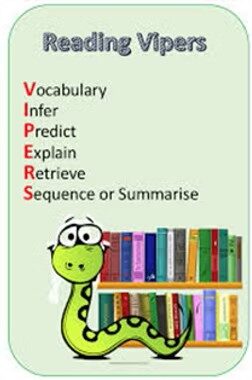
We use VIPERS skills to assist with comprehension.
Boomreader is a tool to help parents, carers and teachers work together to support the progress of each child’s reading at Nutley School. It is, therefore, very important that you record all reading, whether this is a book from home or a book from school. It is important that your child is reading the correct level of book for their individual reading ability.
At Nutley, we have a book bank system. Every book is given a band. The band is not just based on the number of words or type of words. It is also based on the content of the book. It is vital that children are reading the banded book they have been allocated. They will read this book at home regularly, as well as at school. This is to ensure the children make good progress with their reading skills. All other books that the children would like to read are known as ‘reading for pleasure’ books.
The focus for all parents, carers and teachers must be to read the banded book as a priority.
In Rabbit and Hedgehog Classes we are re-banding all our home reading books to align with our Twinkl Phonics Rhino Readers. This will ensure consistency for children, ensuring they are choosing books which are relevant to their phonics ability to decode the words within the text, as well as recognising the Common Exception Words within those texts. Again, any other books will be sent home as ‘reading for pleasure’ books – non-fiction or fiction will be labelled with a silver or gold label on the spine.
Children use their whole word knowledge, decoding skills, as well as comprehension of the text to read. We hope that all children leave Nutley with the ability to read a variety of books with enjoyment and with fluency. Confident readers with a love of reading.
Fluency is developed by understanding how to read and interpret a text. The more children read, the more they acquire fluency.
We use VIPERS skills to assist with comprehension.
 Reading is such a vital tool for all children to open doors to all learning opportunities.
We hope this now clarifies how we teach reading at Nutley School. Any questions about reading, please do ask class teachers.
Reading is such a vital tool for all children to open doors to all learning opportunities.
We hope this now clarifies how we teach reading at Nutley School. Any questions about reading, please do ask class teachers.
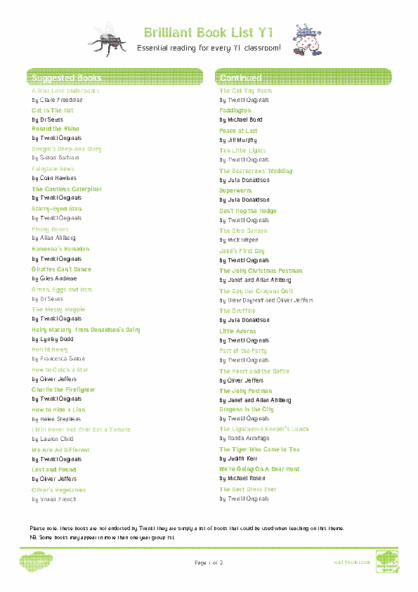
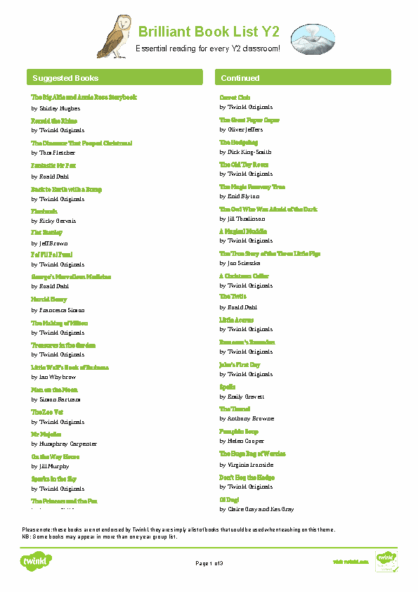
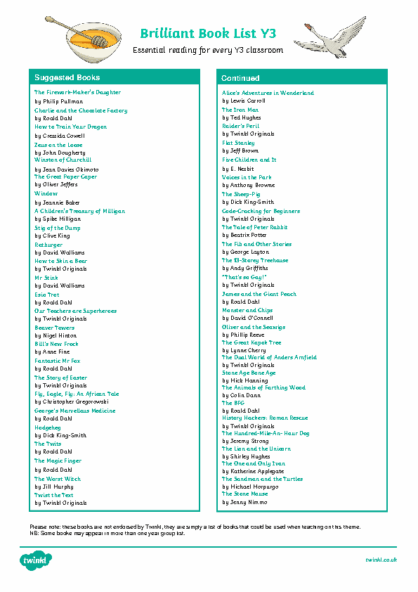
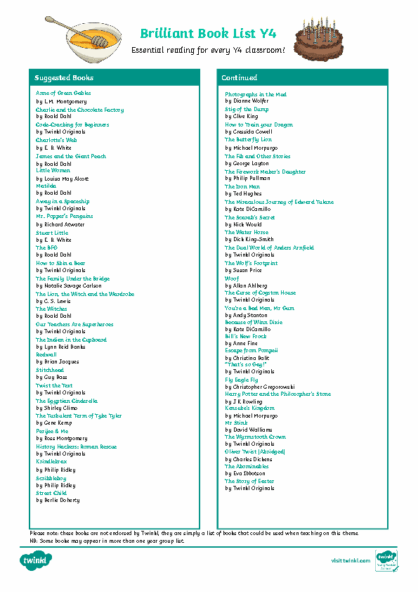
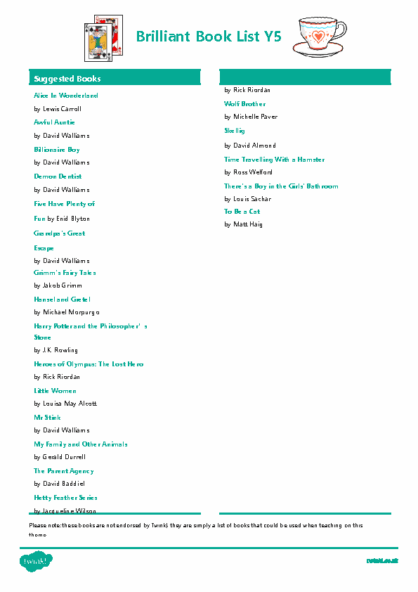
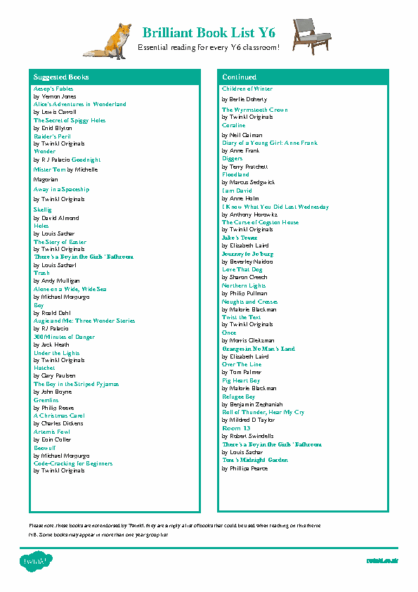
 At Nutley we are working hard with the children to improve their reading skills. We are introducing them to new books all the time in our classes and have been asked about suitable books for children in specific year groups.
With this in mind, below are lists for your child’s age. These are just suggestions. However, if you are keen to read with your child at home, these lists give a wide range of books to share.
At Nutley we are working hard with the children to improve their reading skills. We are introducing them to new books all the time in our classes and have been asked about suitable books for children in specific year groups.
With this in mind, below are lists for your child’s age. These are just suggestions. However, if you are keen to read with your child at home, these lists give a wide range of books to share.
Boomreader is a tool to help parents, carers and teachers work together to support the progress of each child’s reading at Nutley School. It is, therefore, very important that you record all reading, whether this is a book from home or a book from school. It is important that your child is reading the correct level of book for their individual reading ability.
At Nutley, we have a book bank system. Every book is given a band. The band is not just based on the number of words or type of words. It is also based on the content of the book. It is vital that children are reading the banded book they have been allocated. They will read this book at home regularly, as well as at school. This is to ensure the children make good progress with their reading skills. All other books that the children would like to read are known as ‘reading for pleasure’ books.
The focus for all parents, carers and teachers must be to read the banded book as a priority.
In Rabbit and Hedgehog Classes we are re-banding all our home reading books to align with our Twinkl Phonics Rhino Readers. This will ensure consistency for children, ensuring they are choosing books which are relevant to their phonics ability to decode the words within the text, as well as recognising the Common Exception Words within those texts. Again, any other books will be sent home as ‘reading for pleasure’ books – non-fiction or fiction will be labelled with a silver or gold label on the spine.
Children use their whole word knowledge, decoding skills, as well as comprehension of the text to read. We hope that all children leave Nutley with the ability to read a variety of books with enjoyment and with fluency. Confident readers with a love of reading.
Fluency is developed by understanding how to read and interpret a text. The more children read, the more they acquire fluency.
We use VIPERS skills to assist with comprehension.
Reading is such a vital tool for all children to open doors to all learning opportunities.
We hope this now clarifies how we teach reading at Nutley School. Any questions about reading, please do ask class teachers.
Brilliant Books
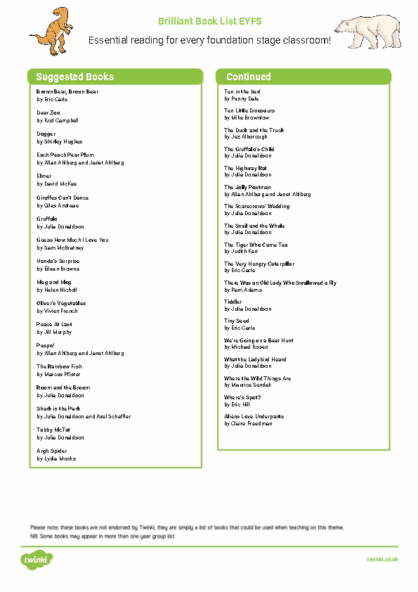
At Nutley we are working hard with the children to improve their reading skills. We are introducing them to new books all the time in our classes and have been asked about suitable books for children in specific year groups.
With this in mind, below are lists for your child’s age. These are just suggestions. However, if you are keen to read with your child at home, these lists give a wide range of books to share.
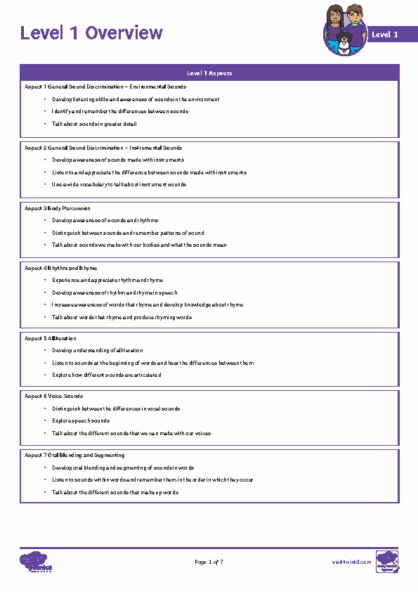
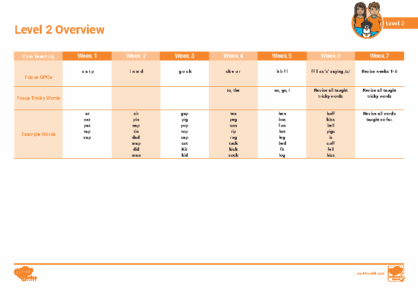
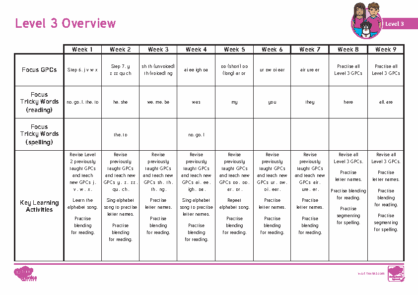
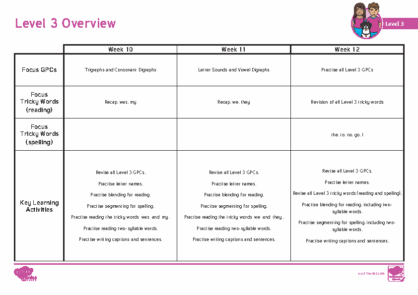
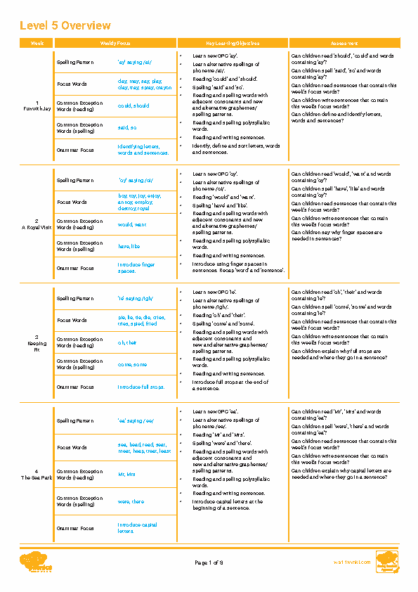
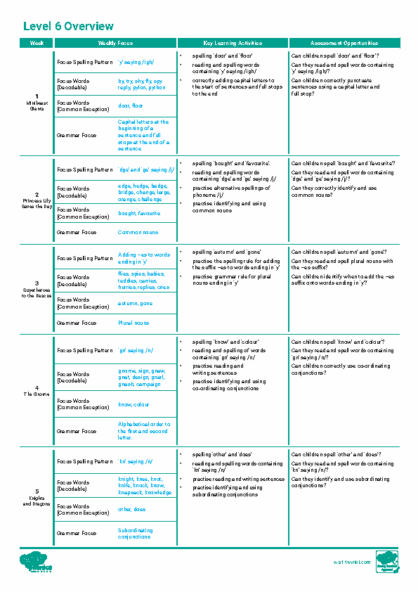
Phonics is taught at Nutley CE Primary using the Government Accredited phonics scheme – Twinkl Phonics. The children begin learning single sounds when they start in Reception. During their Reception year they finish learning their single sounds as well as learning ‘digraphs’ and ‘trigraphs’. They also learn ‘tricky’ words from the Reception Common Exception Word List and begin learning the names of the letters of the alphabet. In Year 1 and 2, the children revise all single letters sounds, digraphs and trigraphs, as well as learning alternative spellings for these. They also learn the Common Exception Words for their year group. Throughout their phonics experience, children are taught to blend sounds together to read words and segmenting sounds to write words. The Twinkl Phonics programme encompasses a wide range of resources for teachers to use as a whole class, in groups or for interventions. These are used alongside other resources to support the teaching of Phonics in KS1 and KS2.
Reading is integrated throughout the curriculum at Nutley. Reading is taught throughout the school using a combination of Common Exception Word reading skills, taught progressively. VIPERS skills (Vocabulary, Inference, Prediction, Explanation, Retrieval and Summary/Sequence) are used to develop language comprehension. Reading is used throughout the curriculum to engage learning and develop confidence to read across all subjects. All children have access to a variety of high-quality Fiction and Non-fiction texts through class reading areas, specific texts for a class Learning Focus and the Library. Children are encouraged to read regularly at home to support fluency and enjoyment of reading.
Every class enjoys rich texts which are changed termly to support reading and writing in conjunction with a term’s Learning Focus and Learning Concepts. These rich texts are planned within the class Long-Term Planning to ensure variety and progression through the school. Children will explore a range of text types, including fiction, poetry and non-fiction, as well as authors from different cultures and different genres.
The children use No-Nonsense Spelling from KS2 onwards to support spelling strategies within all writing. From Year 1 to Year 6 children are all given Common Exception Words to learn at their own pace, which are taught throughout the year in discreet handwriting and spelling lessons, within English lessons, as well as at home.